Messy Bun Svg Review: A Designer's Take on Real Embroidery Use
As a designer who spends more time hooping fabric than I do sleeping, I approach every new digital embroidery file with a mix of excitement and skepticism. We've all been there: you download a cute graphic, load it into your software, and realize the lines are too thin for satin stitch or the details will vanish on a textured towel. That is why I took a close look at the Messy Bun Svg collection before committing it to a client project. This isn't just about whether the image looks good on a screen; it is about how it translates into thread, stabilizer, and fabric to create a viable handmade product.
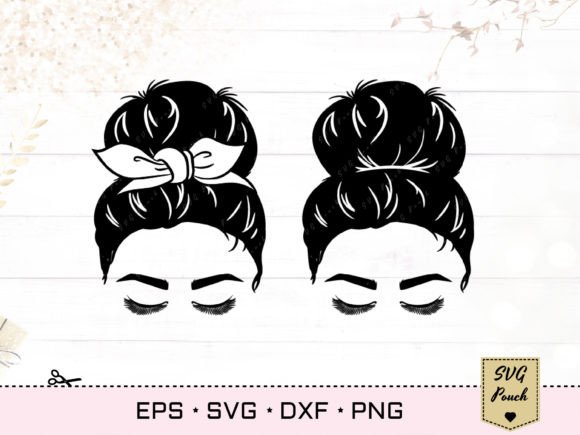
The first thing that strikes me about this design set is its mood. It captures that effortless, "mom life" energy perfectly without trying too hard. The lines are fluid, suggesting movement rather than a rigid, static icon. For an embroidery project, this is crucial. A design that feels too stiff often looks robotic once stitched out. The Messy Bun Svg has a visual personality that says "relaxed weekend" or "coffee run," making it an ideal candidate for custom apparel like oversized sweatshirts or casual tees. The simplicity of the silhouette means it relies on strong outlines rather than complex internal detailing, which is generally a win for machine embroidery where less can often be more.
Putting the Design to the Test: A Real-World Scenario
To truly evaluate these design assets, I imagined a specific scenario: a local boutique owner needed a quick turnaround on a line of branded tote bags for a spring market. She wanted something relatable for her target demographic of young mothers. The Messy Bun Svg seemed like the perfect fit. I loaded the SVG file into my digitizing software to inspect the pathing. Since the package includes vector formats like EPS and SVG, along with DXF and PNGs, the flexibility is there for both cutting machines and embroidery digitizers.
However, as an experienced reviewer, I have to note that these are graphics, not pre-digitized machine embroidery designs. This is a vital distinction. If you are an Etsy seller or a craft business owner, you cannot simply plug these files directly into your embroidery machine unless you have the skill to digitize them yourself or use auto-digitizing software. The value here lies in the clean vector lines. When I traced the Messy Bun Svg to create stitch types, the smooth curves allowed for a beautiful satin stitch border. There were no jagged edges or unnecessary anchor points that usually cause thread breaks or bird nests.
In this hypothetical tote bag project, the design shined. The shape is compact enough to fit comfortably on a standard 4x4 hoop, leaving plenty of room for personalization text below it. Imagine pairing this with a name in a script font; the balance between the messy bun icon and elegant lettering creates a high-end, boutique feel. For a personalized gift, this combination adds significant perceived value. Customers aren't just buying a bag; they are buying an identity marker that resonates with their daily lives.
Fabric Compatibility and Stitching Considerations
While the design concept is strong, its success depends entirely on execution. Where does the Messy Bun Svg perform best, and where should we tread carefully? Let's talk about fabric texture. On a smooth cotton twill or a polyester blend tee, this design will look crisp. The clean lines translate well to fill stitch or solid satin columns. However, if you are planning to stitch this onto a heavily textured waffle knit or a looped terry cloth towel, you might lose some definition. In those cases, I would recommend increasing the stitch width slightly or adding a slight underlay to ensure the design pops against the rougher surface.
Another critical factor is the stitch density. Because the original graphic is a silhouette, there is a temptation to fill the entire shape with dense stitching. Be careful here. Over-densing can lead to puckering, especially on stretchy fabrics like jersey knits used for baby embroidery or fitted tees. If you are digitizing this yourself, consider using a lighter fill pattern or even leaving parts of the design as an outline (running stitch) to keep the fabric flexible. For items that need frequent washing, like kitchen towels or aprons, a less dense design will hold up better over time without distorting the garment.
I also want to address dark fabrics. The Messy Bun Svg works beautifully as a light-colored thread on a navy or black hoodie, creating a striking contrast. However, if you are doing a tone-on-tone look (black thread on black fabric), ensure your digitizing includes enough pull compensation and underlay so the shape doesn't get lost in the shadows. Testing your thread colors on scrap fabric before starting the final finished product is non-negotiable. What looks good on the monitor might look muddy on the actual material.
Commercial Viability and Brand Consistency
For small shop product creators, consistency is key. If you are building a brand around "mom life" or self-care themes, this graphic fits seamlessly into a larger collection. It pairs well with other lifestyle icons and typography. Using the included PNG files with transparent backgrounds, you can quickly generate printable mockups for your online store listings before you even stitch a single thread. This saves time and helps you gauge customer interest.
From a customer trust perspective, a clean, well-executed embroidery job signals professionalism. Sloppy edges or poorly chosen stitch directions can make a handmade item look amateurish. The Messy Bun Svg offers a forgiving shape that hides minor imperfections better than highly detailed portraits or tiny text. This makes it a safe bet for high-volume production runs where speed and consistency are priorities. Whether it's for holiday embroidery gifts or everyday commercial embroidery orders, the design's versatility allows it to adapt to various seasonal themes just by changing the thread palette.
Final Verdict and Practical Tips
So, is the Messy Bun Svg worth adding to your library? Absolutely, provided you understand its role as a source graphic rather than a ready-to-stitch file. It excels in creating relatable, trendy items for the modern maker. To get the best results, keep these practical notes in mind:
- Check Licensing: Always review the specific license terms included with the download. Confirm whether you are allowed to sell physical items made with this design or if it is for personal use only.
- Digitize with Care: If converting to an embroidery file, pay attention to corner sharpness. Round off tight corners slightly to prevent thread buildup.
- Stabilizer Selection: Match your stabilizer to your fabric. Cut-away stabilizer is best for stretchy garments to prevent distortion, while tear-away works well for stable woven fabrics like tote bags.
- Test First: Never skip the test stitch-out. Run the design on a scrap piece of the actual fabric you intend to use to check for registration issues or puckering.
- Scale Appropriately: Ensure the design size matches the hoop size and the garment area. A design that is too large on a small cap brim will look comical rather than stylish.
In the world of Crafts and Graphics, finding a versatile asset like this is a win. It bridges the gap between digital trends and tangible, stitched reality. With the right digitizing approach and material selection, the Messy Bun Svg can become a staple in your product lineup, driving engagement and sales for your creative business. It is a reminder that great embroidery starts with a great foundation, and this design provides exactly that.